Preventing Renewed Conflict in Colombia
Contingency Planning Memorandum
Overview
CFR International Affairs Fellow in National Security Roxanna Vigil argues that United States should engage early with Colombia’s next administration to signal support for full implementation of the 2016 Peace Accords and provide targeted assistance to prevent the resurgence of conflict. This analysis comes as Colombia faces worsening violence, incomplete Accords implementation, and a growing risk of regional instability, which threaten a key U.S. partnership.
EXPERTS
![]() Roxanna VigilInternational Affairs Fellow in National Security, sponsored by Janine and J. Tomilson Hill
Roxanna VigilInternational Affairs Fellow in National Security, sponsored by Janine and J. Tomilson Hill

Introduction
Over the last thirty years, Colombia has transformed from one of the most dangerous countries in the world to a safer and more prosperous democracy. The United States maintained a bipartisan policy toward Colombia for over a decade, focused on security cooperation through Plan Colombia, which included approximately $10 billion in assistance. After Plan Colombia, the United States supported Colombia’s peace negotiations with the largest guerrilla group in the country, the Revolutionary Armed Forces of Colombia (FARC), resulting in the 2016 Peace Accords. The accords sought to end one part of a half-century-long conflict that led to approximately 450,000 deaths [PDF] and resulted in millions of other victims, including those subjected to forced disappearances, displacement, and systematic violence.
In the past year, however, two new sources of instability have arisen in Colombia. First, the Trump administration’s unprecedented threats of direct military strikes against Colombia, and explicit threats against Colombia’s democratically elected president, risk disrupting the bilateral relationship. Second, the U.S. intervention in Venezuela to capture Nicolás Maduro and sustained coercive pressure on Venezuela have heightened the risk of regional instability.
In the background, longer-term forces are also coming to a head. Colombia faces a risk of increasing internal violence. The 2016 Peace Accords, which divided Colombian society from the outset, ended only one part of the conflict. The agreement’s implementation has been slow and incomplete, complicated by a polarized political environment. Armed groups have intensified attacks in the countryside, where the state remains largely absent. Further, drugs are a growing driver of the conflict. Coca leaf cultivation and cocaine production have been on the rise for over a decade, reaching record highs in recent years. Illegal gold mining and human trafficking are increasingly important revenue streams for armed groups as well.
Violence is trending in the wrong direction, as kidnappings, massacres, and internal displacement increase. Illicit activities and the violence they generate are concentrated in rural areas of the country. In addition, Colombia’s congressional and presidential elections in March and May of 2026, respectively, increase the risk of political violence. The assassination of Senator Miguel Uribe Turbay, a presidential pre-candidate who was shot during a campaign rally, underscores those risks.
Ensuring Colombia’s stability is critical—not only because it serves as a buffer against instability in its neighbor Venezuela but also because instability in Colombia could further destabilize Venezuela. Colombia’s ability to prevent instability and violence will depend on, among other factors, its commitment to implement the 2016 Peace Accords. If Colombia fails to enforce the agreement, the security situation in the country will likely worsen, threatening a crucial regional partnership and U.S. national security interests. The United States should engage early with Colombia’s next administration to signal support for full implementation of the 2016 Peace Accords and provide targeted assistance. The Colombian government, for its part, should accelerate implementation of unfulfilled commitments and prioritize security guarantees for demobilized former combatants to prevent their return to armed conflict.
The Contingencies
In the final 2016 Peace Accords [PDF], the FARC committed to demobilizing, laying down arms, reincorporating into civilian life, submitting to a war crimes tribunal and other transitional justice mechanisms, and transitioning from armed struggle to democratic participation. The Colombian government committed to implementing rural reform, expanding political participation, providing security guarantees for former combatants, social leaders, and human rights defenders, addressing illicit drugs, ensuring truth and justice for victims, and establishing verification mechanisms for the agreement. Successive governments’ slow and uneven implementation has jeopardized the 2016 Peace Accords. According to the University of Notre Dame’s Kroc Institute for International Peace Studies, which monitors and verifies its execution, almost half of the agreement’s commitments risk failing to meet the fifteen-year implementation time frame.
Two plausible scenarios could precipitate the collapse of the 2016 Peace Accords: internal breakdown of the reintegration process and security guarantees or external destabilization driven by U.S. intervention and regional spillover from the Venezuela crisis.
Scenario 1: Internal breakdown of the reintegration process and security guarantees
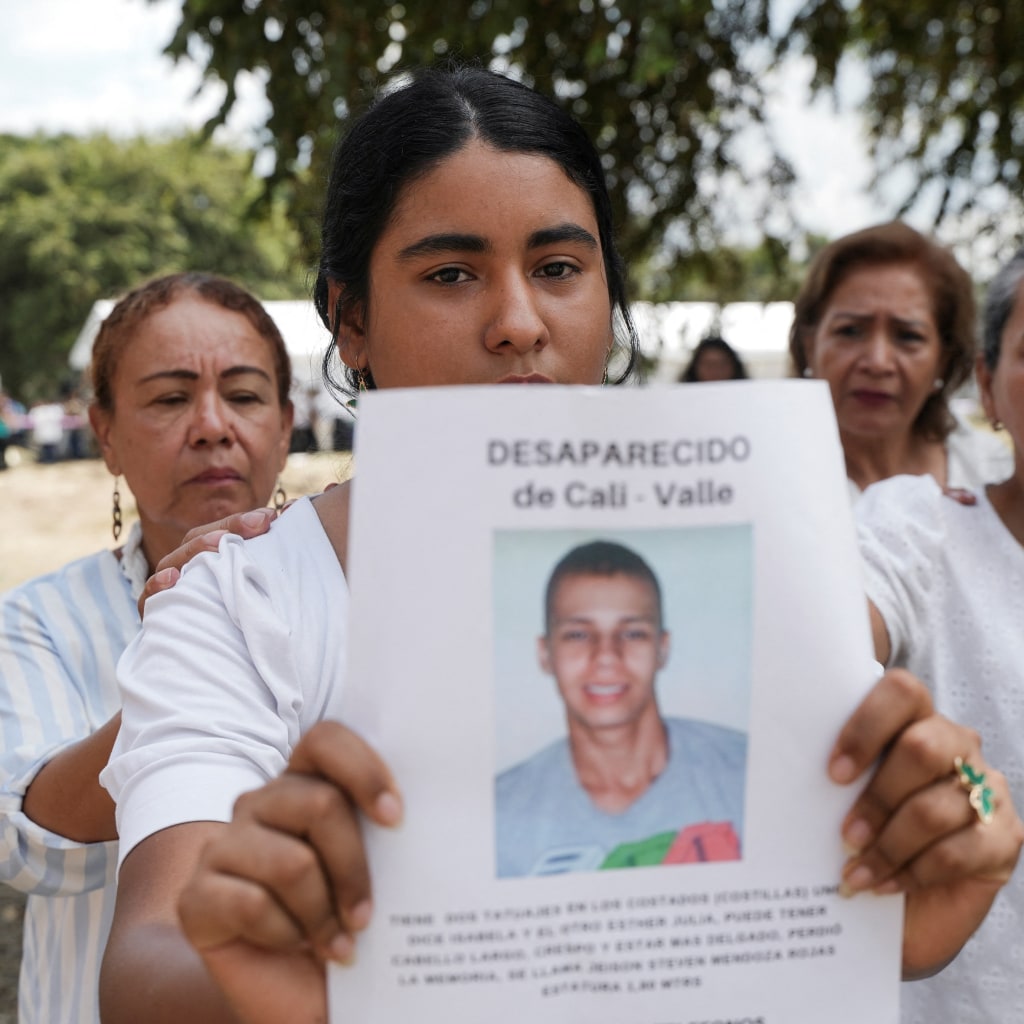
A sustained spike in targeted killings of demobilized former combatants could trigger mass abandonment of the reintegration process. The UN Verification Mission in Colombia indicates that over 11,000 demobilized former combatants are active in the reintegration process. As of December 2025, 487 demobilized former combatants had been killed since the agreement was signed—approximately 1 per week. According to the U.S. Department of State, investigations resulted in only 54 convictions in the homicides of 48 demobilized former combatants between 2016 and 2023. A continued increase in violence could shift the calculus of former combatants, wherein the perceived risks of remaining in the reintegration process outweigh the benefits.
Some demobilized former combatants live in areas that often overlap with conflict hot spots where active armed groups fight for territorial control, including control over drug trafficking routes. Violence has concentrated in rural areas, especially in the western departments and border regions with Venezuela. If the Colombian government cannot provide security guarantees, those former combatants could return to armed groups or be recruited by them.
President Gustavo Petro’s term ends in August 2026. A newly elected Colombian administration that takes a hostile position toward the 2016 Peace Accords—by demanding significant changes or further slowing implementation—could accelerate internal collapse. Although Colombia’s Constitutional Court mandated that three presidential administrations (from 2018 to 2030) implement the agreement, a government facing U.S. pressure to demonstrate a tougher security posture could slow-walk implementation or reframe the peace process as incompatible with national security imperatives that the United States demands. Additionally, diversion of state resources toward managing a Venezuela-related humanitarian crisis or U.S. demands for enhanced counternarcotics operations could further weaken the government’s capacity to maintain security guarantees.
Scenario 2: External destabilization driven by U.S. intervention and spillover from a crisis in Venezuela
External factors—primarily U.S. military threats and ripple effects from a Venezuela humanitarian and security crisis—could overwhelm Colombia’s capacity to implement the 2016 Peace Accords and could fundamentally alter the political calculus for all parties.
The Trump administration’s repeated threats of direct military strikes against Colombia and explicit threats against its democratically elected president create multiple precipitating factors. Although a meeting between the two presidents in early February 2026 helped lower the temperature, the Trump administration’s unpredictability leaves open the risk of future threats. First, unilateral U.S. military operations on Colombian territory without government consent would constitute a sovereignty violation triggering nationalist backlash, potentially destabilizing the Colombian government, and providing armed groups with powerful anti-imperialist recruitment narratives. Demobilized former combatants could view such intervention as evidence that the Colombian state cannot protect national sovereignty, undermining their faith in state institutions and the peace process.
Second, further U.S. military action in Venezuela could trigger armed conflict spilling across Colombia’s approximately 1,370-mile border with Venezuela. Armed groups operating on the border could exploit that chaos to expand operations and position themselves as defenders against U.S. aggression.
Third, even absent direct military intervention, the Trump administration’s coercive approach toward Venezuela and the lack of a plan for a democratic transition is likely to deepen the humanitarian crisis. Colombia has absorbed over 2.8 million Venezuelan migrants in the last decade. A worsening humanitarian crisis could produce a new wave of Venezuelan migrants crossing into Colombia, concentrating in border regions where some demobilized former combatants live and active armed groups compete for control.
Critically, the United States could also formally withdraw all support for the 2016 Peace Accords, including support for the UN Verification Mission in Colombia. Colombia is already managing the consequences of U.S. foreign aid cuts, which accounted for approximately half of the foreign aid for implementation of the 2016 Peace Accords. A complete withdrawal would signal to demobilized former combatants that international guarantees are hollow, accelerating collapse.
Those scenarios could interact with devastating consequences, facilitating the conditions for severe violence escalation. The number of armed group members in Colombia has grown significantly, from approximately 15,000 in 2022 to approximately 22,000 in 2025. Colombia’s security forces could be overwhelmed if major active armed groups such as the National Liberation Army (ELN) (with approximately 6,000 members), FARC dissident groups (with approximately 5,000 members), or the Clan del Golfo (with approximately 7,500 members) continue expanding their territorial footprint and systematically target the demobilized former combatants. Armed groups could ramp up urban attacks, increase political violence during the upcoming election cycle, or boost operations that demonstrate state weakness, including attacks against U.S. targets.
U.S. military action in the region could provide armed groups with anti-imperialist narratives to justify escalated violence, recruit new combatants, and attract support from actors opposed to U.S. intervention in Latin America. The perception that there are no alternatives to armed struggle—particularly if the Colombian state appears as either a proxy for U.S. intervention or incapable of resisting external pressure—could trigger aggressive territorial expansion and a return to conflict dynamics not seen since before the 2016 Peace Accords.
Warning Indicators
Several early-warning signs would indicate a deterioration of the peace process:
- Undermining of the agreement by mainstream political actors could further slow down implementation. Presidential candidates or political parties could threaten to dismantle, significantly change, or refuse to implement the 2016 Peace Accords. Although Colombia’s Constitutional Court has ruled that three presidential administrations must implement the agreement, making it difficult for the next administration to outright abandon it, a future administration that campaigns against the agreement could further weaken its enactment. Prolonged delays in implementation or an increase in violations or noncompliance by the parties would risk unraveling the agreement. Two of the leading opposition candidates have been critical of the agreement since its inception, and one of them has proposed closing down the war crimes tribunal established by the accords.
- Heightened violence against social leaders and human rights defenders could also weaken implementation. Social leaders are individuals who lead grassroots organizations advocating for their communities’ rights and interests. The peace agreement establishes security guarantees for social leaders and human rights defenders. Increased targeted killings of social leaders and human rights defenders supporting peace implementation would hurt the state’s credibility, casting doubt on its capacity to uphold its commitments. Colombia’s ombudsman’s office reported that 215 social leaders and human rights defenders were killed in 2022, a record high. Colombian nongovernmental organization Indepaz indicates that over 1,700 social leaders and human rights defenders have been killed in the nine years since the agreement was signed.
In the next year and a half, several indicators could signal an increased risk of the 2016 Peace Accords collapsing and an intensification of violence in Colombia.
- Economic headwinds could reduce resources and political will to fund the implementation of the agreement. According to the International Monetary Fund (IMF), Colombia faces competing economic imperatives. The country needs spending cuts for fiscal stability but requires investment for economic growth. The government has also increased Colombia’s debt, leading to elevated borrowing costs and flagging private investment. In addition, a deteriorating U.S.-Colombia relationship could reduce foreign direct investment and strain trade with Colombia’s largest export market, threatening economic growth and employment in vital sectors such as agriculture and energy. Implementing Colombia’s 2016 Peace Accords requires an estimated $41–42 billion over fifteen years, with the vast majority funded by the Colombian government and a smaller portion from international donors. Since 2016, Colombia has invested approximately $8.3 billion in conflict-affected regions. Implementation faces serious challenges, however: despite being 29 percent through the timeline in 2021, Colombia had spent only 15 percent of required funds, due not only to insufficient budgets but also, in part, to poor coordination among dozens of implementing entities, corruption, and administrative inefficiencies.
- An increase in violence by armed groups could lead to a spike in homicides, massacres, kidnappings, or forced displacement. Although Colombia’s national homicide rate has remained relatively stable since 2017, ranging from 24 to 26.8 deaths per 100,000 inhabitants, violence has concentrated in departments where armed groups and drug trafficking have a significant presence. Kidnappings hit a low point in 2019 and began to rise a few years ago, with approximately 330 kidnappings in 2023, according to the Ministry of Defense. Massacres have increased since 2017; there were 78 massacres with 256 victims in 2025, according to Indepaz. The number of displaced people in Colombia increased from approximately 139,000 in 2017 to approximately 388,000 in 2024.
- Armed groups could accelerate their territorial expansion. Over the last several years, active armed groups have expanded their territorial presence throughout Colombia’s 1,103 municipalities. Clan del Golfo has a presence in approximately 35 percent of municipalities, various FARC dissident groups are present in 27 percent, and the ELN is present in 21 percent. That expanding footprint has coincided with a sharp rise in child recruitment by armed groups. According to the UN secretary-general’s report on children and armed conflict, 450 children were recruited and used by armed groups in Colombia in 2024 alone, a figure that has quadrupled since 2020.
- Armed groups could escalate violence along the Colombia-Venezuela border. The fragmentation of armed groups, including the emergence of new factions and competition to fill the vacuum after the FARC demobilized and the increased violence between armed groups along the Colombia-Venezuela border, signals heightened risk for a widespread border conflict. If the relationship between the U.S. government and the authoritarian regime in Venezuela, which depends on U.S. coercion for cooperation, threatens the ELN’s sources of revenue, the ELN is likely to increase its aggressive territorial expansion, violent confrontations, and targeted attacks. That dynamic could further destabilize the border region and complicate peace accord implementation efforts.
The number of displaced people in Colombia increased from approximately 139,000 in 2017 to approximately 388,000 in 2024.
- Deterioration of the U.S.-Colombia relationship could debilitate or end U.S. support for the 2016 Peace Accords. The United States served as the top international donor, providing approximately $1.5 billion toward supporting the implementation of the peace agreement from 2017 to 2023. Although the United States’ foreign assistance cuts have affected Colombia at a crucial juncture in the implementation process, its political support of the deal in the UN Security Council and for the mandate of the UN Verification Mission in Colombia remains important. A break of that support would undermine international backing for the process and further reduce the political reinforcement in Colombia necessary for successful enactment. The withdrawal of U.S. engagement would likely embolden opponents of the agreement and signal diminished international commitment to Colombia’s peace process.
- Additional U.S. military action in Venezuela could spark a broader regional crisis. A wave of Venezuelan migrants fleeing instability would strain the Colombian government’s ability to provide services to new arrivals and further complicate the security situation along the Colombia-Venezuela border.
Implications for U.S. Interests
The collapse of the 2016 Peace Accords would threaten important U.S. interests in a critical part of the Western Hemisphere. Were violence to spread from conflict-affected rural areas into urban centers, the twenty-five to thirty-five thousand U.S. nationals living in Colombia, along with U.S. tourists, over a million of whom visited Colombia in 2024, could face escalated danger. The U.S. Embassy in Bogotá—one of the largest U.S. diplomatic missions globally, with personnel from over fifty different agencies—would encounter heightened security risks, potentially requiring drawdowns or evacuations that could harm U.S. intelligence cooperation and diplomatic engagement at a critical moment.
Approximately six hundred U.S. companies operating in Colombia would confront immediate threats to personnel safety and, over the next year and a half or so, infrastructure attacks that could jeopardize billions in American investments. Beyond immediate economic disruption, security deterioration could fuel coca cultivation and illegal gold mining—both already at or near historic highs—generating revenue for armed groups. An increase in narcotics trafficking and illicit financial flows would destabilize not only Colombia but also transit countries and destination markets.
A renewed Colombian conflict would also send shock waves throughout South America. Intensified violence could trigger both internal displacement and renewed Colombian migration pressure, including the country’s three million Venezuelan refugees. Colombian encounters at the U.S. border have dropped to approximately 100 per month since February 2025—down sharply from the peak of over 159,000 encounters during fiscal year 2023, which made Colombians the fifth-largest nationality crossing. A collapse of the 2016 Peace Accords could reverse that trend and strain U.S. border management. Moreover, increased violence could impede Colombia’s capacity to accept deportation flights from the United States. U.S. and Colombian authorities coordinated eighty-eight deportation flights in 2025.
Revived hostilities could exacerbate the already alarming situation along the Colombia-Venezuela border—where the ELN operates. If the group were to escalate its attacks against security forces or the civilian population, it could complicate any potential democratic transition in Venezuela and could prevent the return of Venezuelan migrants, even if economic conditions there improve. Neighboring Brazil, Ecuador, and Peru could face spillover effects, including cross-border criminal activity, migration flows, and economic disruption. Armed groups would likely intensify forced recruitment of vulnerable populations, including Venezuelan migrants in Colombia, compounding the humanitarian crisis while providing those organizations with expanded manpower.
Furthermore, the deterioration of the 2016 Peace Accords could undermine a critical partnership for the United States in the Western Hemisphere at precisely the wrong moment. Colombia has served as a reliable U.S. ally in South America for security cooperation, democratic governance, and regional stability. The country plays an important role as a bridge for U.S. engagement with nations that welcome Colombian security cooperation but could resist direct American involvement. Losing that platform could constrain U.S. capacity to project influence and provide security assistance throughout Latin America.
Although the Trump administration has not committed to a timeline for a democratic transition in Venezuela and indicated it could be years until elections are held, managing a potential democratic transition in Venezuela is dependent on a stable Colombia. A weakened Colombia would be unable to support Venezuelan reconstruction or facilitate the safe return of the millions of migrants it currently hosts—a development that would leave the United States without a capable regional partner to manage one of the hemisphere’s most significant security and humanitarian challenges.
Allowing Colombia’s security situation to deteriorate would squander what experts widely regard as a relatively rare example of successful American foreign policy.
Perhaps most damaging to long-term U.S. interests, allowing Colombia’s security situation to deteriorate would squander what experts widely regard as a relatively rare example of successful American foreign policy. The U.S. initiative Plan Colombia prevented Colombia from becoming a failed state, demonstrating that sustained U.S. investment in partner nation security and governance can yield results. Colombia sliding back into widespread conflict could undermine the United States’ credibility as a reliable long-term partner. The failure of what was seen as a landmark comprehensive peace agreement could also discourage ambitious peace negotiations elsewhere, potentially leading to less comprehensive agreements in future conflicts worldwide.
In the United States, failure in Colombia could affect future congressional appropriations for foreign assistance programs. Other countries weighing whether to align with Washington would question its staying power. That would erode U.S. influence globally, particularly hobbling its attempts to compete with China’s partnerships throughout the world.
Preventive Options
The United States faces a choice in its approach to preventing the collapse of Colombia’s 2016 Peace Accords. Three distinct pathways present different risks and opportunities: a hands-on approach that directly intervenes in Colombian affairs, a light-touch one that provides targeted support while respecting Colombian sovereignty, and an indirect one that leans on the private sector as a proxy with aligned interests.
A hands-on approach risks being counterproductive. Direct U.S. intervention could generate instability rather than prevent it. Heavy-handed U.S. involvement could undermine Colombian sovereignty, fuel nationalist backlash, face criticism from Congress and the American public, and weaken the very institutions the United States seeks to strengthen. The hands-on approach could involve the United States conducting joint military strikes with Colombia against armed groups. Although such operations could appeal to the Trump administration’s demonstrated willingness to use force in partnership with host governments, the Colombian context presents distinct challenges that make that approach particularly risky. U.S. military strikes—even when coordinated with Colombian forces—risk civilian casualties that would likely delegitimize the Colombian government and trigger domestic political backlash.
A light-touch approach that forgoes direct control would be more effective. This approach would recognize Colombia as a sovereign partner and anchor of regional stability rather than a client state requiring micromanagement. The Trump administration could use the Colombian presidential transition—a new president will take office in August 2026—to engineer a bilateral reset. Regardless of which candidate wins Colombia’s election, the White House and State Department could engage early with the president-elect to establish a cooperative dynamic and signal U.S. support, including for security cooperation and the 2016 Peace Accords. That diplomatic window presents an opportunity to reframe the U.S.-Colombia relationship around shared interests in regional stability, migration management, and countering transnational criminal organizations. The White House and U.S. Congress could prioritize the confirmation of the Trump administration’s nominee for U.S. ambassador to Colombia to ensure high-level representation during that critical transition period. The State Department can convey to the top presidential candidates in Colombia that the United States continues to support the 2016 Peace Accords as essential to Colombian stability and U.S. national security interests. That approach could also include innovative financing mechanisms led by the Department of the Treasury and in coordination with international financial institutions (IFIs), instead of traditional foreign assistance.
An indirect approach working through proxies could complement official diplomacy but will not necessarily yield results on its own. Colombian private-sector institutions such as the national business association (ANDI) and the various American Chambers of Commerce are committed partners in preserving a strong U.S.-Colombia relationship. The State Department and U.S. Chamber of Commerce could work with those business networks to build coalitions of Americans and Colombians who are committed to the relationship’s prosperity. Those private-sector actors could advocate for the Colombian government to implement the peace accord and support economic development in regions affected by the conflict. Business groups can also serve as early-warning systems, alerting U.S. officials to emerging problems before they reach crisis levels.
Given deep historical U.S. involvement in Colombia over the last thirty years, including through Plan Colombia and later through U.S. support for the peace process, expectations for the private sector or other nations serving as proxies should remain modest. Colombia’s neighbors tend to view the country’s problems as primarily U.S. concerns rather than shared ones. Similarly, countries in Africa, Europe, and East Asia with major cocaine consumer markets are unlikely to provide substantial financial support, diplomatic engagement, or security cooperation, viewing Colombia’s drug problem as the United States’ responsibility. To change that mindset, the State Department could work with the UN Office on Drugs and Crime and other major cocaine-consuming countries (Argentina, Australia, Brazil, Canada, Spain, the United Kingdom) as part of the Trump administration’s counternarcotics efforts. That core group could conduct joint contingency planning for scenarios where deteriorating conditions in Colombia lead to increased coca cultivation and cocaine production. African and East Asian countries with emerging cocaine-consumer markets could eventually join those discussions.
Mitigating Options
If the U.S. government cannot prevent the collapse of the 2016 Peace Accords, it should still contain some of the fallout and salvage critical components.
The highest priority should be minimizing casualties and re-recruitment among demobilized former combatants. The United States could work to prevent demobilized former combatants from being killed, being forcibly recruited, or voluntarily joining armed groups after the peace accords’ collapse. Even if the agreement fails, keeping former combatants out of the conflict would limit violence escalation. The State Department, in coordination with international partners, including Norway (as a guarantor and facilitator of Colombia’s peace process), the United Nations, and the European Union, could privately mediate between the Colombian government and representatives of the former combatants to encourage continued participation in the disarmament, demobilization, and reintegration process, even if other peace accord elements fail. Private mediation would have the goal of preventing former combatants from rearming and providing assurances that their security and economic reintegration remain a priority despite political setbacks. The U.S. government could substantially increase technical support to Colombia to provide security guarantees for demobilized former combatants who fear recruitment or assassination by FARC dissidents or other armed groups. Such support could include relocation assistance and enhanced physical security for reintegration areas or communities with large numbers of former combatants. Colombia’s experience demobilizing paramilitaries in the early 2000s illustrates the consequences of incomplete reintegration; some paramilitaries who never fully disarmed or returned to criminality formed what became the Clan del Golfo, the largest drug trafficking organization in the country, and other successor groups, perpetuating the cycle of violence. If some aspects of the peace accord can survive the collapse of the broader framework, the United States could move quickly to prioritize cooperation on those salvageable elements.
If the agreement collapses and the security situation worsens, then the Treasury Department and IFIs should expand previously preventive economic support mechanisms. The Department of the Treasury could work with IFIs to provide emergency liquidity support to Colombia through expanded guarantee facilities, preventing an economic crisis from compounding security deterioration. Fiscal collapse would undermine any stabilization efforts.
If some aspects of the peace accord can survive the collapse of the broader framework, the United States could move quickly to prioritize cooperation on those salvageable elements.
U.S. security assistance should focus on preventing expanded territorial control by armed groups in the most vulnerable areas. Beyond protecting individual demobilized former combatants, the United States could provide support to Colombian security forces to stabilize areas at highest risk of violence escalation based on armed group presence and competition for territorial control. That containment strategy would prevent such groups from consolidating control over larger territories and populations. Priority could go to areas where violence could trigger mass displacement, as any major refugee crisis in Colombia will inevitably affect the United States through increased migration pressure. The Department of Defense and U.S. Southern Command could work with Colombian counterparts to identify those critical zones and provide intelligence, training, and operational planning support. One known hot spot is the Colombia-Venezuela border, which the ELN largely controls and which is at particular risk of further unrest given the ELN’s increased attacks and threats of violence in response to the U.S. military deployment in the Caribbean Sea and the U.S. intervention in Venezuela.
The United States should prepare to manage increased migration flows. If the agreement’s collapse triggers displacement, the State Department could coordinate with regional partners to strengthen migration management capacity throughout Mexico and Central America. Although unlikely, given across-the-board cuts to U.S. assistance and its hard-line immigration policy, the Trump administration could prepare to reverse its position on assistance to migrant-receiving countries, recognizing that supporting those countries represents a more cost-effective approach than interdicting migrants at the U.S. border or managing large-scale arrivals.
The United States should work to salvage whatever peace accord elements remain viable rather than allowing total collapse. Even partial implementation would be preferable to complete abandonment. The State Department could identify which components have the strongest Colombian political support and international backing, then concentrate resources on preserving those elements. If the political will exists to maintain portions of the agreement, the United States could provide diplomatic support, technical assistance, and financial resources to keep those elements functioning. Partial success would maintain some foundation for future peace efforts while limiting the immediate security and humanitarian costs of complete collapse.
Recommendations
The United States’ policy on the 2016 Peace Accords can directly influence the next Colombian administration’s approach to implementation. If the 2016 Peace Accords collapse, it is unclear what would happen to the eleven thousand demobilized former combatants. The reintroduction of those former combatants into the ongoing conflict would do devastating damage to Colombia’s stability that would threaten U.S. national security interests.
- Engage early with Colombia’s president-elect to establish a cooperative dynamic and signal U.S. support for security cooperation and the 2016 Peace Accords. This bilateral reset would present an opportunity to reframe the U.S.-Colombia relationship around shared interests in regional stability, migration management, and countering transnational criminal organizations, all consistent with the National Security Strategy. The White House and U.S. Congress could prioritize confirming the Trump administration’s nominee for U.S. ambassador to Colombia to ensure high-level representation during the transition. The State Department could convey to all presidential candidates in Colombia that the United States continues to support the 2016 Peace Accords as essential to Colombian stability and U.S. national security interests.
- Work with IFIs help Colombia access private capital through innovative financial instruments. The United States could leverage its influence at the IMF, World Bank, Inter-American Development Bank, and other IFIs so that they use their balance sheets more efficiently through innovative financial instruments used to channel capital toward specific social or development objectives, such as partial guarantee bonds or social bonds. Those instruments would maximize how much private investment can be unlocked with limited public resources while providing Colombia fiscal space to meaningfully implement the 2016 Peace Accords—a process estimated to cost about 1 percent of Colombia’s gross domestic product (GDP) per year.
- Recognize that preventing migration flows requires addressing displacement causes rather than relying solely on border interdiction. The Trump administration could reverse course on cuts to aid for migrant-receiving countries in the region and instead expand support for countries hosting large numbers of Venezuelan migrants. To do so, it could frame that support as encouraging a stable Venezuela by helping manage the migration crisis and creating conditions for eventual migrant returns. The National Security Strategy calls for “sovereign countries work[ing] together to stop rather than facilitate destabilizing population flows,” making a partnership approach consistent with the administration’s stated priorities and a more cost-effective migration management strategy than dealing with mass arrivals at the U.S. southern border. If a democratic transition in Venezuela leads that country to meaningfully rebuild, Colombia stands to benefit. Lasting stability in Venezuela would likely result in economic opportunities across the border and in some Venezuelans currently in Colombia returning home, relieving migration pressures.
- Focus U.S. security cooperation on accompaniment over direct intervention. The U.S. Department of Defense and Southern Command could support Colombia’s armed forces to stabilize conflict-affected areas that overlap with drug trafficking zones and places where demobilized former combatants live. That dual-purpose approach would both protect peace process participants and weaken territorial expansion by active armed groups. U.S. law enforcement agencies have built a strong relationship with Colombian counterparts over several decades, which includes cooperation on extraditions of Colombian nationals charged with drug trafficking. U.S. law enforcement agencies could prioritize cooperation on homicide cases involving former combatants, enabling the Colombian attorney general’s office to increase convictions and deliver justice while simultaneously disrupting armed groups involved in drug trafficking, as some of the suspected perpetrators are members of such groups.
- Work through the UN Security Council to draw attention to implementation delays and request that Colombia develop accelerated plans to enforce the agreement. The State Department could prioritize cooperation on aspects of the agreement that most advance U.S. national security interests. The State Department could also partner with the UN Office on Drugs and Crime and major cocaine-consuming countries to conduct joint contingency planning for scenarios where deteriorating conditions lead to increased coca cultivation and cocaine production.
Acknowledgments
The author is grateful for the valuable feedback provided by experts convened by CFR’s Center for Preventive Action. Any errors or omissions remain the author’s responsibility.
About the Author
Roxanna Vigil is an international affairs fellow in national security, sponsored by Janine and J. Tomilson Hill. Her public service career spans fifteen years in the area of U.S. foreign and national security policy toward Latin America. Her research at CFR examines the work of international truth commissions as a tool to analyze the U.S. government’s role in a conflict, using Colombia’s Commission for Truth, Coexistence, and Non-Repetition as a case study.
Most recently, Vigil served as a senior sanctions policy advisor at the U.S. Department of the Treasury’s Office of Foreign Assets Control. Before that, she served as the director for Andean affairs at the National Security Council, where she handled foreign policy and national security issues for Bolivia, Colombia, Ecuador, Peru, and Venezuela. At the Treasury, she also led the U.S. delegation to the Financial Action Task Force of Latin America. Before joining the Treasury, Vigil worked in various roles at the Department of State. She holds a BA from the University of Michigan and a MA from Georgetown University.
This report was made possible by the generous support of the Carnegie Corporation of New York.t